
The Char Dham Yatra, visiting the four sacred shrines of Yamunotri, Gangotri, Kedarnath, and Badrinath in Uttarakhand, is one of the most important pilgrimages in Hinduism. Every year, lakhs of devotees undertake this journey through the Himalayas. In 2026, the yatra season is expected to open in late April or early May. Here is everything you need to plan your trip.
The Four Dhams
The traditional order of the Char Dham is west to east: Yamunotri, Gangotri, Kedarnath, Badrinath. Each temple has its own significance:
- Yamunotri (3,293m): Source of the Yamuna river, dedicated to Goddess Yamuna. The temple requires a 6-km trek from Janki Chatti. Hot water springs at Surya Kund are a highlight.
- Gangotri (3,100m): Source of the Ganges, dedicated to Goddess Ganga. Accessible by road. The actual glacier (Gaumukh) is an 18-km trek further from the temple.
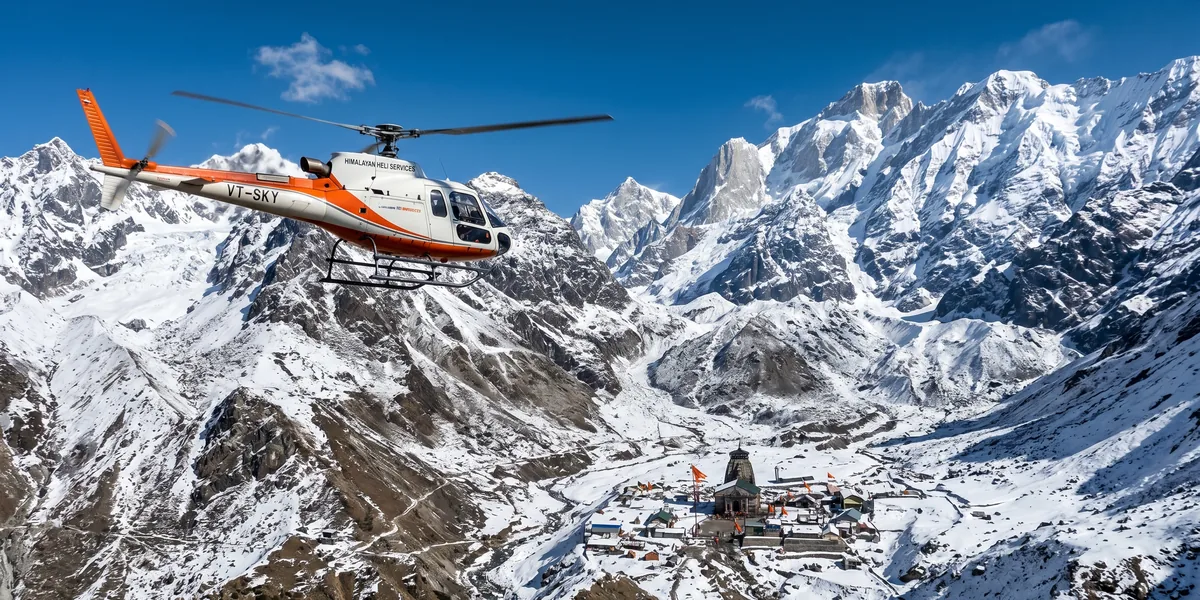
- Kedarnath (3,583m): One of the 12 Jyotirlingas, dedicated to Lord Shiva. Requires a 16-km trek from Gaurikund (or helicopter). The 2013 floods severely damaged the area, but reconstruction is now complete.
- Badrinath (3,133m): Dedicated to Lord Vishnu, accessible by road. Also home to the hot spring Tapt Kund and the scenic Mana village, the last Indian village before the Tibet border.
Registration Process
Since 2022, biometric registration is mandatory for all Char Dham pilgrims. Register online at registrationandtouristcare.uk.gov.in. You will receive a photo ID card that must be carried throughout the yatra. Registration centres are also available at Haridwar, Rishikesh, and at each dham entry point. The registration is free and helps authorities track pilgrim numbers for safety management. Register at least one week before your planned start date to avoid delays.
Route Planning
The standard route from Delhi or Haridwar follows this circuit:
- Day 1: Haridwar to Barkot (210 km, 7-8 hours) - base for Yamunotri
- Day 2: Barkot to Janki Chatti, trek to Yamunotri temple, return to Barkot
- Day 3: Barkot to Uttarkashi (100 km, 4 hours) - base for Gangotri
- Day 4: Uttarkashi to Gangotri and back (100 km each way)
- Day 5: Uttarkashi to Guptkashi (220 km, 8-9 hours) - base for Kedarnath
- Day 6: Guptkashi to Gaurikund, trek to Kedarnath (16 km), stay overnight
- Day 7: Kedarnath darshan, trek back to Gaurikund, drive to Guptkashi
- Day 8: Guptkashi to Badrinath (240 km, 8-9 hours)
- Day 9: Badrinath darshan, visit Mana village, drive to Joshimath or Rudraprayag
- Day 10: Return to Haridwar/Rishikesh
This is a minimum 10-day itinerary. We recommend 12-14 days to account for weather delays, rest days, and a more comfortable pace, especially for senior pilgrims.
Helicopter vs Road
Helicopter services are available for Kedarnath (from Phata, Guptkashi, or Sirsi helipad) and Badrinath (limited services). Kedarnath helicopter tickets cost approximately 7,000-12,000 rupees per person one way and must be booked well in advance through the IRCTC portal or authorized operators. The flight takes just 10 minutes compared to the 6-8 hour trek. During peak season, helicopter slots sell out weeks in advance. Road access is the only option for Yamunotri (trek from Janki Chatti) and Gangotri (fully road-accessible).
Health Requirements
The Char Dham Yatra involves significant physical exertion at high altitude. Essential health preparations include:
- Get a medical fitness certificate from your doctor, especially if you are over 50 or have heart/respiratory conditions
- Start light cardio exercise (walking, stair climbing) at least one month before the trip
- Carry medication for altitude sickness, cold, cough, fever, and stomach issues
- Maintain hydration throughout the journey, dehydration at altitude is dangerous
- Avoid alcohol and smoking during the entire yatra
- Pilgrims with severe cardiac conditions or uncontrolled blood pressure should consult specialists before attempting the Kedarnath trek
What to Pack
- Warm layers: temperatures drop to near freezing at night at all four dhams, even in summer
- Raincoat and waterproof bag covers (essential during monsoon-adjacent months)
- Sturdy trekking shoes with ankle support (especially for Yamunotri and Kedarnath treks)
- Walking stick (available for rent at trek starting points, 50-100 rupees)
- Sunscreen, lip balm, and sunglasses for UV protection at altitude
- Personal medicines and a basic first aid kit
- Cash: ATMs are available at Uttarkashi, Guptkashi, and Joshimath but may run out during peak season. Carry at least 10,000 rupees in cash.
- Light, easy-to-eat snacks (dry fruits, biscuits, chocolate) for trekking days
Accommodation at Each Dham
Accommodation ranges from government guesthouses and dharamshalas to private hotels:
- Yamunotri/Janki Chatti: Limited options. GMVN guesthouse at Janki Chatti (800-1,500/night). Basic dharamshalas near the temple (200-500/night).
- Gangotri: Several small hotels and ashrams. GMVN tourist bungalow is the most reliable (1,000-2,000/night). Dormitory beds available from 200 rupees.
- Kedarnath: Tents and basic rooms near the temple (500-2,000/night during season). GMVN tents are the most comfortable option. Book through the GMVN website months in advance.
- Badrinath: Best accommodation options among the four dhams. Multiple hotels from 800-3,000/night. GMVN and BKTC (Badrinath-Kedarnath Temple Committee) guesthouses are reliable options.
Costs Breakdown
A Char Dham Yatra can be done across different budgets:
- Budget (shared transport, dharamshalas): 15,000-25,000 per person for 10-12 days
- Mid-range (private car, decent hotels): 35,000-55,000 per person
- Comfortable (SUV, good hotels, helicopter for Kedarnath): 60,000-90,000 per person
- Premium (luxury package, all helicopters, best hotels): 1,00,000+ per person
Weather by Month
- May-June: Opening season. Moderate days (10-20 degrees C), cold nights (0-5 degrees C). Some snow on treks. Moderate crowds.
- July-August: Monsoon. Heavy rain, landslide risks, road closures. Not recommended unless you have flexible dates.
- September-October: Post-monsoon. Clear skies, stunning views, fewer crowds. Best weather window for the yatra.
- October-November: Closing season. Very cold, snow possible at higher elevations. Temples close by Diwali.
Tips for Senior Citizens
Many pilgrims are elderly, and the yatra can be managed with proper planning:
- Use pony or palki (palanquin) services for the Yamunotri and Kedarnath treks. Pony costs 2,500-4,000 one way; palki costs 5,000-8,000 one way.
- Book the helicopter for Kedarnath to avoid the strenuous 16-km trek
- Take an extra rest day at Uttarkashi or Guptkashi for acclimatization
- Travel with a companion or group, never attempt the yatra alone if you have health concerns
- Carry all prescription medicines with a doctor's note
- Consider doing only Badrinath and Kedarnath (Do Dham) if the full circuit is too demanding
The Char Dham Yatra is not a race. It is a pilgrimage. Take your time, listen to your body, and remember that the journey itself is as sacred as the destination.
The Char Dham Yatra is a profound experience that combines spiritual devotion with some of the most spectacular mountain scenery on earth. With careful planning, the right preparation, and a willingness to embrace both the challenges and the beauty, it can be a journey that stays with you for a lifetime.